

Five Warning Signs That a Wound Requires Professional Care
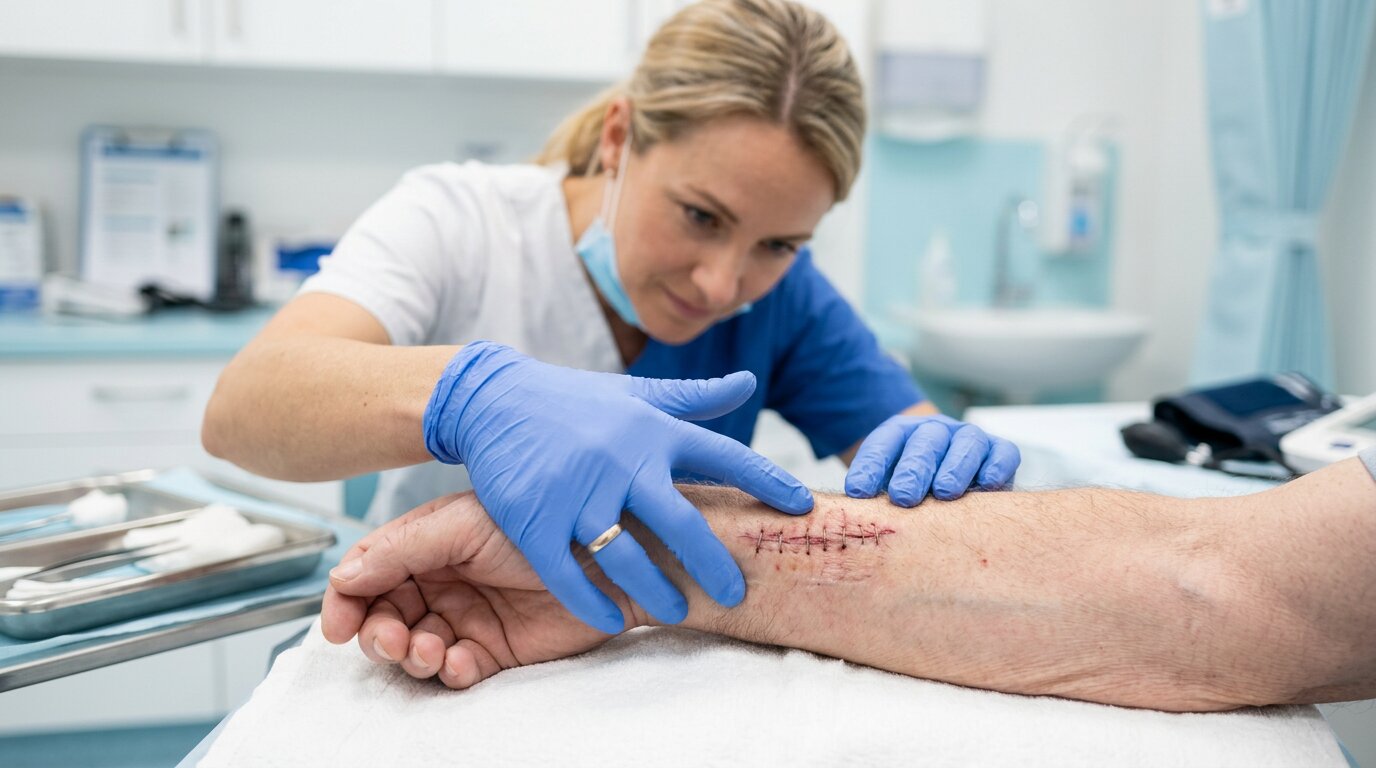
You might think most cuts and scrapes are harmless, but some wounds quietly cross the line from minor to serious. If you’re not sure when to switch from home care to professional help, you’re not alone. Certain warning signs—like bleeding that won’t quit or pain that actually gets worse—can signal real trouble. Knowing these clues can protect you from infection, scarring, and more serious complications you don’t want to ignore.
The #1 Clue Your Wound Needs Urgent Care
One clear sign that a wound needs urgent medical evaluation is pain that doesn't begin to lessen within the first 48 hours. In most cases, normal healing is associated with gradually decreasing discomfort. When pain remains the same or worsens after the first two days, it often indicates that the wound may be too deep, infected, or not healing properly.
The size and behavior of the wound are also important. A cut generally requires prompt medical attention if it's longer than about ¾ inch, deeper than about ½ inch, or continues to bleed after 5–10 minutes of firm, direct pressure. These features suggest a higher risk of complications or the need for closure with stitches or other medical interventions.
Radiation-related wounds warrant particular caution. If these wounds don't begin to show signs of fresh, healthy tissue within a few days, they should be assessed quickly by a healthcare professional. In some cases, treatments such as hyperbaric oxygen therapy may be recommended to support tissue repair and reduce the risk of further damage.
While some minor injuries can be managed safely through basic wound care at home, it's important to monitor healing closely for warning signs such as increasing redness, swelling, drainage, fever, foul odor, or worsening pain. Delaying medical evaluation when these symptoms appear can increase the risk of infection and longer-term complications.
Proper at-home care usually includes cleaning the wound gently, changing dressings regularly, avoiding unnecessary pressure on the area, and following any medical instructions regarding medications or activity restrictions. However, individuals with diabetes, circulation problems, weakened immune systems, or chronic health conditions should be especially cautious, since even small wounds can sometimes progress into more serious medical issues if healing is delayed.
Five Red-Flag Symptoms You Shouldn’t Ignore
Certain changes in a wound should prompt immediate attention. If redness, warmth, or swelling continues to spread, this may indicate abnormal inflammation or developing infection. Pain that persists or worsens after 48 hours can also suggest that healing isn't progressing as expected.
Changes in drainage are important to note: thick, foul-smelling, or yellow, green, or brown fluid often indicates bacterial infection. The appearance of dark or black tissue may signal tissue death (necrosis) and requires urgent evaluation by a healthcare professional.
In addition, systemic symptoms such as fever, chills, or a rapid heartbeat can be signs that an infection is spreading and warrant prompt medical care.
Clear Signs Your Wound Is Infected and Needs a Doctor
When a wound shifts from normal healing to active infection, the body often shows recognizable signs. Redness that extends more than about an inch beyond the wound edges can indicate cellulitis, a skin infection that typically requires prompt antibiotic treatment.
Thick yellow or green drainage, especially if it has a strong or unpleasant odor, suggests bacterial growth and should be assessed by a healthcare professional.
Systemic symptoms such as a fever above 100.4°F (38°C) or chills may indicate that the infection is spreading beyond the local wound area. Increasing pain, warmth, or swelling after the first 48 hours—when these symptoms would normally begin to improve—can point to a deeper or worsening infection.
In addition, if a wound shows little or no progress after about two weeks and remains swollen or tender, there's a higher risk of more serious complications, such as infection involving deeper tissues or bone, and medical evaluation is advisable.
Deep Cuts and Puncture Wounds Needing Urgent Care
Beyond monitoring for infection, it's important to recognize wounds that are serious from the outset and shouldn't be treated at home. Any cut that exposes fat, tendon, or bone requires prompt medical evaluation and will often need surgical closure. These wounds shouldn't be closed with tape or skin adhesive at home.
Wound size is also a key factor. Cuts longer than about ¾ inch or deeper than about ½ inch generally warrant assessment for stitches or staples to support proper healing and reduce scarring. Apply firm, direct pressure to control bleeding. If bleeding continues after 5–10 minutes of steady pressure, seek urgent care or go to an emergency department.
Puncture wounds, such as those from nails or animal bites, also require timely professional evaluation. They often need thorough cleaning and possible irrigation to reduce the risk of retained debris and bacterial infection.
Animal Bites and Scratches That Always Need Medical Attention
Some animal bites and scratches are never minor and always require prompt medical care. Any bite can introduce bacteria deep under the skin; an estimated 15–20% become infected if not treated. Early evaluation is important because oral antibiotics are often needed to prevent cellulitis or more serious tissue infection.
Cat bites and scratches, particularly on the hands or face, should always be assessed by a healthcare professional. Cats can transmit bacteria such as Pasteurella, which may cause a painful infection within 24 hours. These injuries often require careful cleaning (irrigation) and, in some cases, delayed wound closure to reduce infection risk.
Any bite from a raccoon, bat, or an unvaccinated dog requires immediate medical evaluation for possible rabies exposure. Rabies is rare in many areas but is almost always fatal once symptoms appear, so timely assessment and post-exposure prophylaxis, if indicated, are essential.
Deep puncture wounds (generally deeper than about ½ inch) and bites to a young child’s face or hands should be treated as emergencies. These injuries have a higher risk of infection, scarring, and potential damage to underlying structures such as tendons, nerves, or joints. Prompt medical care helps determine the need for antibiotics, tetanus vaccination, wound closure, and further follow-up.
Health Problems That Make Wounds More Dangerous
Many underlying health conditions can increase the risk that even minor wounds will become serious. In diabetes, reduced blood flow and impairment of the immune response can slow healing and make infections more likely. Diabetic neuropathy can also reduce or eliminate pain sensation, so small injuries such as blisters may go unnoticed and progress to deeper ulcers before they're detected.
Peripheral artery disease limits blood flow to the limbs, decreasing oxygen and nutrient delivery to tissues. This can delay healing, increase the likelihood of tissue breakdown, and, in severe cases, contribute to the need for amputation. Conditions that weaken the immune system, such as chemotherapy treatment, HIV infection, or chronic kidney disease, can further impair the body’s ability to control bacteria and repair damaged tissue. As a result, wounds in these individuals may heal slowly, reopen more easily, and have a higher risk of infection.
What a Wound Care Specialist Can Do That Home Care Can’t
If you’re living with conditions such as diabetes, peripheral artery disease, or immune compromise, home wound care is often not sufficient to prevent complications. A wound care specialist can perform surgical debridement, safely removing dead or infected tissue that can't be effectively managed at home. This procedure helps reduce bacterial load and promotes the formation of healthy tissue.
Specialists also use diagnostic tools such as vascular imaging and oxygenation assessments to evaluate blood flow and tissue health, identifying circulation problems that aren't visible on routine self-examination. In addition, they can initiate and monitor therapies like negative pressure wound therapy, ensuring that these devices are applied and adjusted correctly to support faster, more reliable healing.
Wound care specialists can also develop individualized offloading strategies and compression plans, including custom orthotics or compression garments. These measures help redistribute pressure and improve venous return, reducing the mechanical stress on vulnerable areas and supporting more stable, sustained wound healing.
Advanced Wound Treatments That Help Stubborn Wounds Heal
Stubborn, slow-healing wounds often require treatments that extend beyond standard cleaning and basic dressings. Depending on the wound’s cause, size, depth, and level of contamination, a specialist may recommend one or more advanced therapies.
Negative pressure wound therapy (NPWT) uses controlled suction through a sealed dressing to remove excess fluid, reduce swelling, and help draw wound edges together. This approach can improve blood flow to the wound bed and support the formation of healthy granulation tissue.
Hyperbaric oxygen therapy involves breathing 100% oxygen in a pressurized chamber. The increased pressure raises the amount of dissolved oxygen in the blood, which can improve oxygen delivery to poorly perfused tissues and support cellular processes involved in wound repair. It's typically used for specific indications, such as certain diabetic foot ulcers, radiation injuries, or complex infections, and is usually part of a broader treatment plan.
Debridement—removing dead or contaminated tissue—can be done surgically, enzymatically (using topical agents), or with other methods. By clearing nonviable tissue and reducing bacterial burden, debridement helps create a cleaner wound bed that's more receptive to healing and to other therapies.
In some cases, clinicians use bioengineered skin substitutes or cellular and tissue-based products to provide a temporary or permanent cover for the wound. These materials can supply a scaffold for new tissue growth and may include living cells or growth factors, depending on the product. Moisture-retentive dressings, such as hydrogels, hydrocolloids, foams, or alginates, are then selected to maintain an optimal moist environment, protect the wound from external contamination, and support granulation and epithelialization.
The choice of advanced therapy is individualized, taking into account the patient’s overall health, blood supply to the area, presence of infection, and response to prior treatments. In most cases, these interventions are combined with systemic measures such as infection control, pressure offloading, nutritional support, and management of underlying conditions like diabetes or vascular disease.
Simple Wound Care Steps to Prevent Complications
While advanced treatments can support healing in complex or slow-healing wounds, many complications can be reduced with basic care at home as soon as the injury occurs. Begin by gently cleaning the wound with mild soap and lukewarm water for at least 20 seconds to remove dirt and reduce surface bacteria.
After cleaning, apply a thin layer of a petroleum-based antibiotic ointment within the first two hours, unless you have been advised otherwise or have a known allergy. Cover the wound with a sterile, non-stick dressing and keep the area slightly moist, changing the dressing at least once a day or sooner if it becomes wet or soiled. When possible, elevate the injured area above heart level for the first 48 hours to help minimize swelling.
Inspect the wound daily for changes. Seek medical care if you notice increasing redness, warmth, swelling, pain, or drainage, or if you develop fever or red streaks extending from the wound, as these can be signs of infection or other complications.
Conclusion
When you know the warning signs, you won’t wait and worry—you’ll act. If your wound keeps bleeding, looks or feels worse, or shows any signs of infection, don’t tough it out at home. Get it checked. With prompt care, advanced treatments, and smart daily wound care, you greatly lower your risk of complications. Trust your instincts, watch your symptoms, and let a wound care professional step in when your body needs extra help.